Medically reviewed by the clinical team at Immediate Care Center of Westmont · Published July 23, 2026 · Last reviewed July 23, 2026
At Immediate Care Center of Westmont, our walk-in urgent care performs non-DOT workplace drug testing for employers and job seekers throughout DuPage County, including Downers Grove, Hinsdale, Oak Brook, Darien, Clarendon Hills, Willowbrook, La Grange, and Villa Park. If your employer has asked you to complete a drug screen, you may have seen the terms “5-panel” and “10-panel” and wondered what the difference is. This guide breaks down what each panel tests for, why employers choose one over the other, and how to prepare — so there are no surprises on the day of your test.
Please note: Immediate Care Center of Westmont offers non-DOT drug testing only. We do not provide DOT, CDL, or FMCSA regulated drug testing. The information below refers to employer-directed, non-DOT workplace screening.
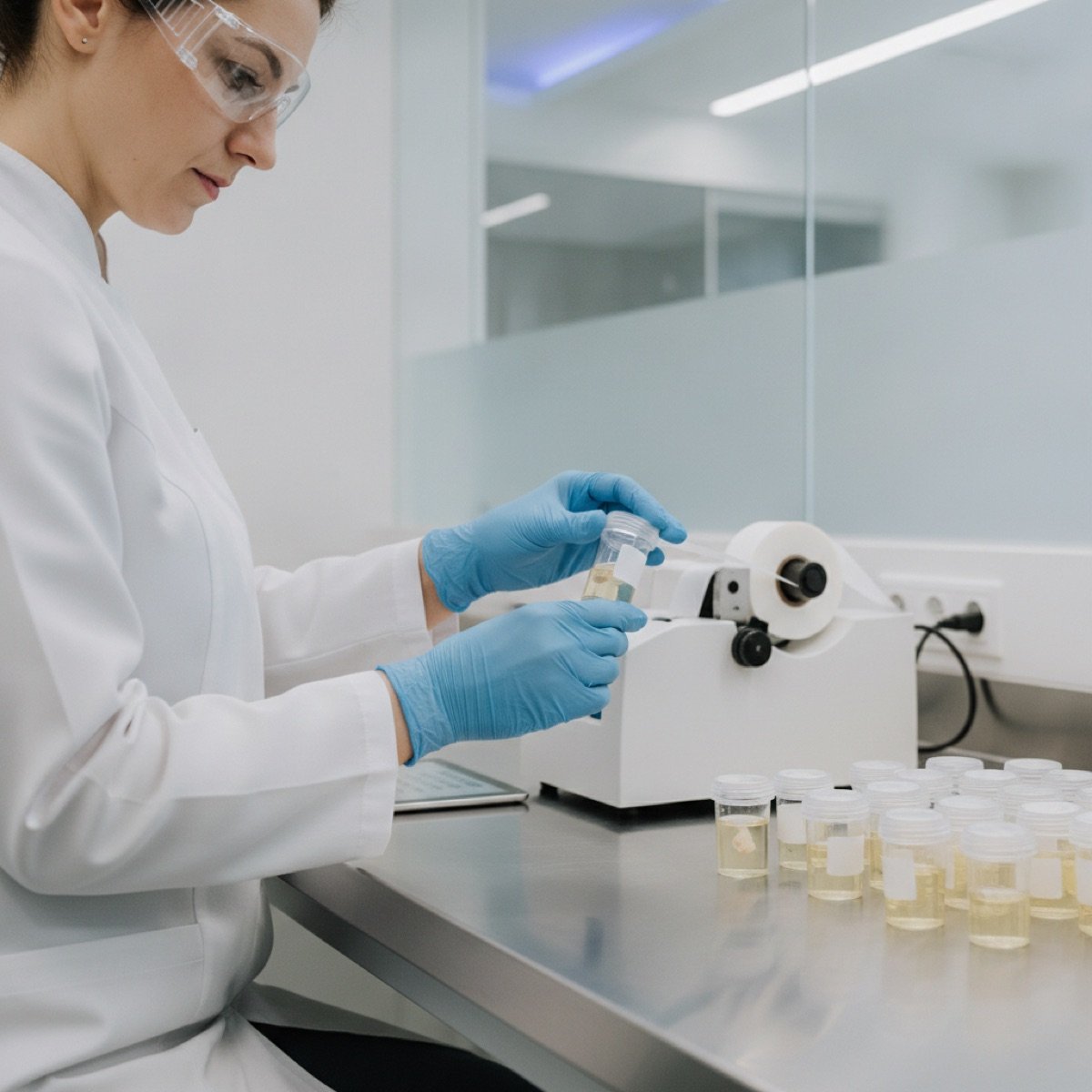
The word “panel” simply refers to the number of drug classes a test screens for. A 5-panel test looks for five categories of substances; a 10-panel test looks for ten. The most common method for both is a urine sample, though other sample types exist. A general overview of how these tests work and what results mean is available from the MedlinePlus Drug Testing resource maintained by the National Library of Medicine.
It helps to understand the history. The traditional 5-panel is rooted in the federal workplace testing standard, and the federal drug-testing framework is administered by SAMHSA, whose Drug-Free Workplace Programs set the model many private employers follow. Non-DOT employers, however, are not bound by that federal panel and can customize what they screen for based on their industry, safety needs, and workplace policy.
The 5-panel urine test is the most common workplace drug screen. It targets five widely misused substance categories:
For many employers, the 5-panel provides a practical, cost-effective screen that covers the substances most associated with workplace safety and impairment concerns. It is frequently paired with a pre-employment physical as part of the hiring process.
A 10-panel test includes the same five categories as above and adds five more classes of drugs. While the exact additions can vary by employer and laboratory, a 10-panel commonly adds substances such as:
Because several of these additional categories include prescription medications, disclosing your prescriptions at the time of testing is especially important with a 10-panel screen. A benzodiazepine or methadone prescription, for example, can legitimately explain a result, and documenting it up front helps avoid confusion.
There is no single “right” panel — the choice depends on the employer’s industry, role, and policy. In general:
Some employers also choose expanded panels or add substances like alcohol depending on their needs. The bottom line for a job seeker is simple: your employer decides which panel you take. If you are unsure, ask your employer or check the paperwork they provided. Our non-DOT drug testing service can perform the panel your employer specifies.
It is easy to assume that a bigger panel is automatically “stricter,” but that is not quite how it works. A 10-panel does not make it harder to pass — it simply looks at more categories of substances. For someone who does not use any of the drugs being screened, a 5-panel and a 10-panel produce the same clear result. The practical difference is coverage. An employer choosing a 10-panel usually wants visibility into additional classes, several of which are prescription medications, because of the responsibilities or safety demands of the role. That is precisely why disclosure is the most important thing a candidate can do. A test result on its own is just data; the context of a legitimate, disclosed prescription is what allows that data to be interpreted correctly. Approaching either panel honestly and with your medication list in hand is the single best way to ensure a smooth process.

For a standard urine screen, the process is quick and straightforward:
This is why honesty about your medications matters so much. A legitimate prescription, disclosed at collection, provides the context needed to interpret a result fairly.
Because we are a walk-in clinic with an on-site lab, many employees can complete their screen — and any accompanying occupational medicine services — in a single visit.
A drug screen is a routine, non-emergency procedure. However, if you are ever experiencing a medical emergency — such as chest pain, difficulty breathing, a suspected overdose, severe confusion, or loss of consciousness — do not come in for a routine visit. Call 911 immediately.
Both screen for marijuana, cocaine, amphetamines, opioids, and PCP. The 10-panel adds five more classes — commonly barbiturates, benzodiazepines, methadone, propoxyphene, and methaqualone — several of which are prescription medications.
That is set by your employer, not the clinic. The 5-panel is most common for general employment, while the 10-panel is often chosen for safety-sensitive or higher-responsibility roles. Check your paperwork or ask your employer.
Disclose it at the time of testing. A valid prescription can legitimately explain certain results and is documented as part of the process. This is especially relevant for the additional categories on a 10-panel test.
Cost depends on the panel your employer orders and how billing is handled. Because these details vary, we do not list a flat price here. Please see our cost and insurance page or call us for current information.
Need a workplace drug screen completed quickly? Immediate Care Center of Westmont provides walk-in non-DOT drug testing at two Westmont locations for employers and employees across DuPage County. We are open Monday through Friday from 9 AM to 6 PM and Saturday and Sunday from 9 AM to 5 PM. Walk in, check in online, or call (630) 324-6825 if you have questions about which panel your employer requires. Bring your ID and paperwork and we will handle the rest.
This page is for general educational purposes and is not a substitute for professional medical advice. If you are experiencing a medical emergency, call 911.
Monday – Friday: 9:00 AM – 6:00 PM
Saturday – Sunday: 9:00 AM – 5:00 PM

These settings are saved on this device only.