Discover how salt can be used to draw out infections and the science behind it. Learn practical home remedies and when to seek professional medical help.
Reviewed by the clinical team at Urgent Care Center of WestmontUpdated June 18, 2026
Imagine a world where natural remedies are not just old wives’ tales but effective treatments for common ailments. One such remedy that has endured through the ages is salt. But does salt really have the power to draw out infections? In this article, we will explore the age-old wisdom and modern science behind using salt to treat infections, delving into practical applications and when to seek professional medical help.
The Power of Salt: A Historical Perspective
Salt has been revered as a powerful healing agent for centuries. Ancient Egyptians used it in their embalming practices, believing it could preserve the body from decay. Fast forward to today, and we still use salt in various forms to treat wounds and infections. But why has this simple mineral stood the test of time?
The Science Behind Salt and Infection
Read moreClose
The secret lies in salt’s ability to create an environment inhospitable to bacteria. When applied to a wound, salt draws water out of bacterial cells through osmosis, effectively dehydrating and killing them. This process not only helps to clean the wound but also prevents further infection.
For more information on how minor injuries are treated professionally, visit our minor injury treatment page.
How Salt Works: Osmosis and Bacteria
Osmosis is the movement of water across a semipermeable membrane from a region of lower solute concentration to higher solute concentration. When you apply salt to an infected area, it creates a hypertonic environment that draws water out of bacterial cells. This dehydration process disrupts their cellular functions, leading to their demise.
To learn about other quick surgical treatments available, check out our post on quick surgeries.
Practical Home Remedies with Salt
Read moreClose
Now that we understand how salt works, let’s look at some practical ways you can use it at home to treat minor infections.
Salt Water Gargle
A salt water gargle is a common remedy for throat infections. Simply dissolve half a teaspoon of salt in a glass of warm water and gargle for a few seconds before spitting it out. This can help reduce inflammation and kill bacteria in the throat.
Salt Paste for Skin Infections
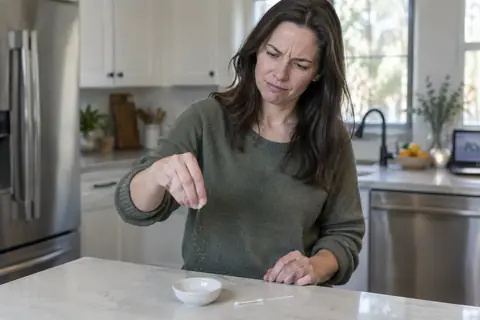
To treat minor skin infections or boils, you can make a salt paste by mixing salt with a small amount of water. Apply the paste directly to the affected area and cover it with a clean bandage. Leave it on for a few hours before rinsing off.
Salt Bath for Wounds
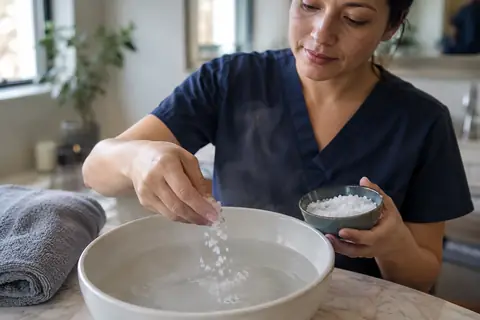
If you have a cut or scrape, soaking the affected area in a salt bath can help clean the wound and prevent infection. Add two teaspoons of salt to a basin of warm water and soak the area for about 10 minutes.
Learn more about treating injuries in different locations by visiting our Hinsdale injury treatment page.
When to Seek Medical Help
Read moreClose
While salt can be effective for minor infections, it’s crucial to know when to seek professional medical attention. If you notice signs of a severe infection such as increased pain, redness, swelling, or fever, it’s time to consult a healthcare provider.
Salt has been used for centuries to treat infections due to its antibacterial properties.
It creates a hypertonic environment that dehydrates bacterial cells, effectively killing them.
Practical home remedies include salt water gargles, salt pastes, and salt baths.
Seek medical help if you notice signs of severe infection.
Conclusion
Read moreClose
The humble salt has proven itself as a versatile and effective remedy for drawing out infections. From ancient civilizations to modern households, its use remains widespread due to its simplicity and effectiveness. However, it’s essential to recognize the limitations of home remedies and seek professional medical help when needed. By understanding both the power and limits of salt, we can make informed decisions for our health and well-being.
For more comprehensive medical services, explore our range of patient services available at Immediate Care Westmont.
Yes, regular table salt can be used for treating minor infections. However, sea salt or Epsom salt may offer additional minerals that can benefit skin health.
Is it safe to use salt on open wounds?
Using salt on open wounds can be painful but is generally safe for minor cuts and scrapes. For deep or severe wounds, seek professional medical advice.
How often should I use salt treatments?
You can use salt treatments like gargles and baths once or twice daily until the infection improves. If there’s no improvement within a few days, consult a healthcare provider.
“Very impressed. From the receptionist to everyone I came in contact with was very friendly and knowledgeable I highly recommend this place for urgent care”
Jennyfrom C. · March 2026 · Google★★★★★
“All staff was friendly. my care was priority and barely any wait time throughout my process.”
Sim S. · December 2025 · Google★★★★★
“This is my go to. I love this place. I have sent my mom and grown kids, always a great experience!!!”