RSV season 2026: how to protect babies and older adults
As of November 5, 2026, RSV is low in most of the country but starting to rise, including in the Chicago-DuPage area. Now is the time to protect babies and adults 75 and older. Options include an infant antibody shot, a pregnancy vaccine and a one-time vaccine for older adults.
Health news · reviewed by the clinical team at Urgent Care Center of WestmontUpdated November 5, 2026
CDC reported on October 30, 2026 that RSV activity is low in most areas of the country.
RSV emergency visits in the Chicago-DuPage area rose from 0.02% to 0.07% between late September and October 31, 2026.
Babies younger than 8 months can be protected by a pregnancy vaccine or an infant antibody shot.
CDC recommends one RSV vaccine dose for all adults 75 and older and for adults 50 to 74 at increased risk.
The adult RSV vaccine is not a yearly shot, so people who already got one do not need another.
Where RSV stands in early November 2026
The CDC Respiratory Illnesses Data Channel, updated October 30, 2026, says RSV activity is low in most areas of the country. Local emergency department data shows the first signs of a rise.
Share of emergency visits with an RSV diagnosis (CDC National Syndromic Surveillance Program)
Area
Week ending Sept. 26
Week ending Oct. 31
CDC trend
Chicago-DuPage area
0.02%
0.07%
Increasing
Illinois
0.03%
0.06%
Increasing
United States
0.05%
0.10%
Increasing
These numbers are still small. CDC uses October through March as the RSV season in most of the U.S. when it plans protection for babies, so families with newborns should act now.
RSV symptoms in babies, children and adults
The CDC RSV symptom page says symptoms usually appear 4 to 6 days after infection and often come in stages, not all at once. Most RSV infections go away on their own in a week or two.
Runny nose and congestion
Cough and sneezing
Fever
Decreased appetite
Wheezing
Very young babies may show only fussiness, less activity and trouble breathing, without an obvious cough or fever.
RSV can look like a cold, flu or COVID-19. Our guide to RSV symptoms and when to test covers how to tell them apart.
Who is most at risk from RSV?
Read moreClose
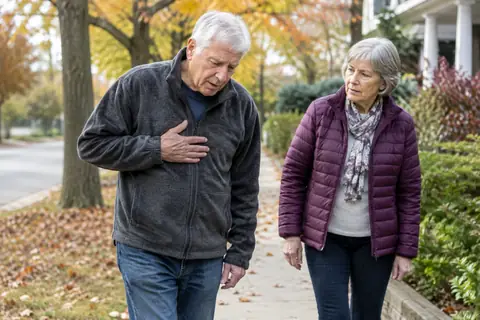
Most healthy older children and adults have a cold-like illness. RSV is more serious for:
Babies, especially in their first RSV season
Children born early who have chronic lung disease, and children with a severely weakened immune system
Adults 75 and older
Adults 50 to 74 with chronic heart or lung disease, a weakened immune system or certain other conditions
People who live in nursing homes
Protecting babies: pregnancy vaccine or infant antibody
Read moreClose
CDC and the Illinois Department of Public Health (IDPH) recommend RSV protection for every baby entering their first RSV season. Most babies need only one of these two options, according to the CDC infant RSV page.
Pregnancy vaccine
Given during weeks 32 to 36 of pregnancy
CDC lists September through January in most of the U.S.
IDPH extended the Illinois window to September through March 1
Protects the baby after birth through the mother's antibodies
Infant antibody shot
For babies younger than 8 months whose mother did not get the pregnancy vaccine
Given shortly before RSV season, or within 1 week after birth for babies born October through March
Two products are available: nirsevimab and clesrovimab
Some higher-risk children 8 to 19 months can get nirsevimab before their second season
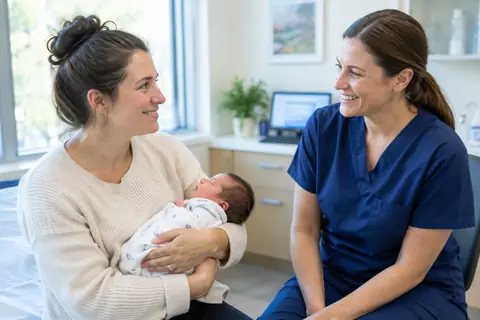
Your OB or pediatrician can tell you which option fits your family. If your baby was born this fall and has not had RSV protection yet, ask about it at their next visit.
RSV vaccine for adults 50 and older
Read moreClose
The CDC adult RSV vaccine page recommends one dose for all adults 75 and older, and for adults 50 to 74 who are at increased risk of severe RSV. IDPH gives the same advice for Illinois.
One dose, not yearly: If you already had an RSV vaccine, you do not need another at this time.
Protection lasts: CDC says protection lasts more than one year.
Timing: Late summer and early fall is ideal, but you can get it any time of year.
If you are sick: Wait if you have a moderate or severe illness. A mild cold is not a reason to delay.
Ask your pharmacist or primary care clinician whether you qualify, and check your coverage on our cost and insurance page.
RSV testing and care at our Westmont, IL clinics
Read moreClose
Urgent Care Center of Westmont, also known as Immediate Care Center of Westmont, offers RSV testing for children and adults at our Westmont, IL clinics, open 7 days a week. Our team is led by board-certified physicians.
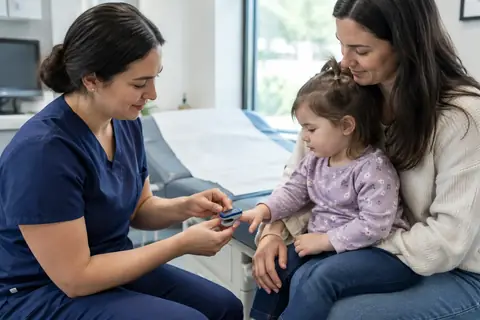
ExamA clinician checks breathing, oxygen level, hydration and lung sounds.
TestingA nasal swab can check for RSV, and we can also test for flu, COVID-19 or strep when symptoms overlap.
Care planRSV care focuses on easing symptoms, keeping up fluids and watching breathing. Your clinician recommends treatment, which may include prescription medicine when appropriate.
Imaging if neededIf pneumonia is a concern, a chest X-ray is available at our 29 N Cass Ave clinic only.
CDC advises calling a health care professional if someone with RSV is not drinking enough fluids or has symptoms that are getting worse. A visit makes sense if:
Your child is drinking less than usual or has fewer wet diapers.
A cough or wheeze is getting worse after several days.
An older adult with heart or lung disease has a new cough or fever.
Fever lasts more than a few days, or ear pain develops.
RSV is low but starting to rise. In CDC emergency department data for the week ending October 31, 2026, RSV accounted for 0.07% of visits in the Chicago-DuPage area, up from 0.02% in late September. CDC said on October 30 that RSV activity is low in most areas of the country.
Do adults need an RSV shot every year?
No. CDC says the RSV vaccine is not currently a yearly vaccine. Adults who already got a dose do not need another one at this time. One dose is recommended for all adults 75 and older and for adults 50 to 74 at increased risk, and protection lasts more than one year.
My baby was born this fall. Can they still get RSV protection?
Yes, if the mother did not get the RSV vaccine during pregnancy. CDC recommends an infant antibody shot for babies younger than 8 months entering their first RSV season, ideally within a week after birth for babies born October through March. Ask your pediatrician or the hospital about it.
How can I protect a newborn from RSV during the holidays?
Make sure your baby has RSV protection from the pregnancy vaccine or an infant antibody shot. Ask visitors to wash their hands and to stay away if they are sick. Keep sick siblings apart from the baby when you can, and clean toys and surfaces that many hands touch.