Imagine you are wandering through a lush forest, surrounded by towering trees whispering ancient secrets. The ground beneath you is layered with fallen leaves, forming a soft carpet guiding your path. Suddenly, you notice an innocuous-looking plant with three glossy leaves—this unassuming vegetation could be the notorious poison ivy. But what really causes this plant’s infamous rash to spread like wildfire across your skin?
The Nature of Poison Ivy
How Poison Ivy Spreads
Preventing the Spread of Poison Ivy
Treatment Options for Poison Ivy Rash
Key Takeaways
FAQs on Poison Ivy
Conclusion
The Nature of Poison Ivy
Poison ivy, with its beguiling appearance, thrives in the wild landscapes of North America. Like a sly magician, it often goes unnoticed until it has cast its spell—a blistering rash caused by the oil known as urushiol. This oil serves as the plant’s defense mechanism, much like a knight’s armor guarding against threats.
How Poison Ivy Spreads
Read moreClose
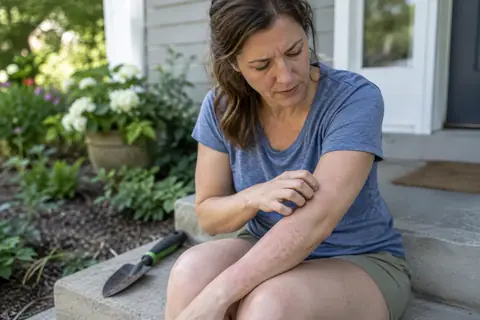
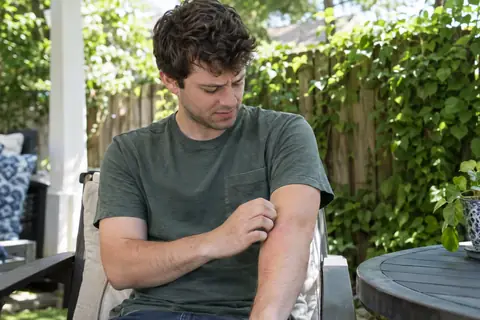
Have you ever wondered how such a small plant can cause so much havoc? The secret lies in the oil. Urushiol can linger on various surfaces—clothing, pet fur, even garden tools. It’s like a ghostly shadow that follows you home, only revealing its presence when it’s too late. Touching any surface that carries urushiol can transfer the oil to your skin, sparking an itchy and blistering reaction.
Additionally, scratching the rash can spread the oil to new areas of your body. It’s akin to fanning the flames of a fire that’s already burning fiercely. To further explore the services for immediate care in dealing with such allergic reactions, you might want to check out various urgent care options available.
Preventing the Spread of Poison Ivy
Prevention is often the best medicine. Imagine donning an invisible cloak of protection each time you venture outdoors. Here are some bulletproof strategies:
Wear Protective Clothing: Long sleeves and pants act as shields, safeguarding your skin.
Learn to Identify: Familiarize yourself with poison ivy’s distinct features—three-leaf clusters and a glossy sheen. Resources like the National Park Service provide detailed descriptions.
Avoid Cross-Contamination: Wash clothes and gear thoroughly after exposure to potential urushiol.
Treatment Options for Poison Ivy Rash
Once urushiol has made contact, it’s crucial to act swiftly. Think of it as a race against time to quell the fiery itch before it spreads. Immediate washing with soap and water can remove the oil. Over-the-counter creams and antihistamines offer relief from itching. For severe cases, consulting a healthcare professional is advisable. The Mayo Clinic offers comprehensive advice on managing symptoms.
Key Takeaways
Read moreClose
Urushiol oil is the culprit behind poison ivy’s rash.
The oil can spread through touch and contaminated objects.
Prevention involves protective clothing and avoiding contact.
Treatments include washing with soap and using anti-itch medications.
Conclusion
Read moreClose
Navigating through nature should be a harmonious dance rather than a battle against unseen adversaries. By understanding what makes poison ivy spread, you can better equip yourself to avoid its wrath. Remember, vigilance is your shield, knowledge your sword. As you embark on your next outdoor adventure, may you walk confidently among nature’s treasures, steering clear of poison ivy’s deceptive embrace.
“It was a great visit Yesenia was so nice and made me feel Comfortable after waiting a hour she seen I was still there and called me in right away What a Beautiful Soul”
Fay-Faith F. · January 2026 · Google★★★★★
“This is probably the best urgent care I have ever been too. The staff os knowledgeable and caring. 10 out of 10. Thanks yall!”
Daniel G. · December 2025 · Google★★★★★
“All staff, starting with the receptionist to the medical assistant to the doctor, were all kind and made me feel welcomed!! Easy to find and parking available onsite”