Imagine returning from an invigorating hike through the lush greenery of the American wilderness, only to find yourself caught in a relentless itch that feels like a wildfire burning across your skin. This is the wrath of poison ivy, an uninvited guest that often overstays its welcome. In such scenarios, many find themselves asking: Will poison ivy spread on sheets? It’s a question that haunts the minds of countless individuals every year. Let’s delve into this leafy conundrum and explore the intricacies of managing this pesky plant.
The Nature of Poison Ivy
Poison ivy, with its deceptive beauty, is nature’s double-edged sword—a shimmering green siren that beckons you closer, only to leave an unforgettable imprint. This plant is notorious across the United States, recognized for its three-leaf cluster and its ability to cause severe skin irritation.
Understanding Urushiol Oil
The real villain is not the plant itself, but the oil it secretes—urushiol. This potent oil clings to skin, clothing, and any surface it touches, carrying with it an itch-inducing legacy. According to the Centers for Disease Control and Prevention (CDC), even a minuscule amount of this oil can trigger a rash in most people.
How Poison Ivy Spreads
Read moreClose
Picture urushiol as a mischievous sprite that dances from one surface to another, leaving discomfort in its wake. Direct contact with the plant isn’t the only way it spreads; indirect contact via contaminated objects like clothes or pet fur is equally plausible.
Can It Linger on Sheets?
Read moreClose
This question often arises in the whirlwind of battling poison ivy: Can it really spread on our trusty bed sheets? The answer lies in understanding urushiol’s persistence. If transferred from skin or clothing, this tenacious oil can indeed cling to sheets, waiting for its next unsuspecting victim.
Preventive Measures
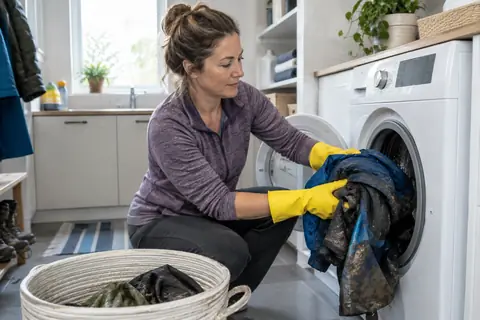
Laundering: Wash exposed sheets immediately in hot water with detergent.
Avoid Contact: Use gloves when handling potentially contaminated items.
Frequent Cleaning: Cleanse surfaces and items that may have come into contact with the plant.
For those seeking immediate medical advice regarding other urgent concerns unrelated to poison ivy, consider visiting immediate care facilities for professional assistance.
Key Takeaways
Read moreClose
Urushiol oil is the main cause of poison ivy rashes.
Indirect contact through objects like sheets can spread the rash.
Laundering contaminated items promptly can reduce spread.
Conclusion: Rest Easy and Itch-Free
Read moreClose
The journey through understanding how poison ivy spreads is akin to navigating a dense forest—bewildering yet enlightening. By embracing knowledge and adhering to preventive steps, one can transform the bed from a battleground into a peaceful haven. Remember, a stitch in time saves nine, and a little caution can save a lot of itching! Rest assured that with proper care, you can enjoy your slumber without fear of waking up to that fiery itch.
Yes, washing them in hot water with detergent effectively removes the oil.
Is there a surefire way to avoid poison ivy?
Avoiding areas where it grows and wearing protective clothing are the best preventive measures. For more detailed guidance, refer to sources like the US Forest Service.
“It was a great visit Yesenia was so nice and made me feel Comfortable after waiting a hour she seen I was still there and called me in right away What a Beautiful Soul”
Fay-Faith F. · January 2026 · Google★★★★★
“This is probably the best urgent care I have ever been too. The staff os knowledgeable and caring. 10 out of 10. Thanks yall!”
Daniel G. · December 2025 · Google★★★★★
“All staff, starting with the receptionist to the medical assistant to the doctor, were all kind and made me feel welcomed!! Easy to find and parking available onsite”