
Medically reviewed by the clinical team at Immediate Care Center of Westmont · Published July 23, 2026 · Last reviewed July 23, 2026
Parents often ask us whether the sports physical the coach requested is the same thing as their child’s yearly checkup. It is a fair question — the two exams overlap, but they serve different purposes. At Immediate Care Center of Westmont, a walk-in urgent care serving Westmont and neighboring DuPage County towns like Downers Grove, Hinsdale and Oak Brook, we perform sports physicals and comprehensive physical exams, and we can help you choose the right one. Here is how they differ and when each makes sense.
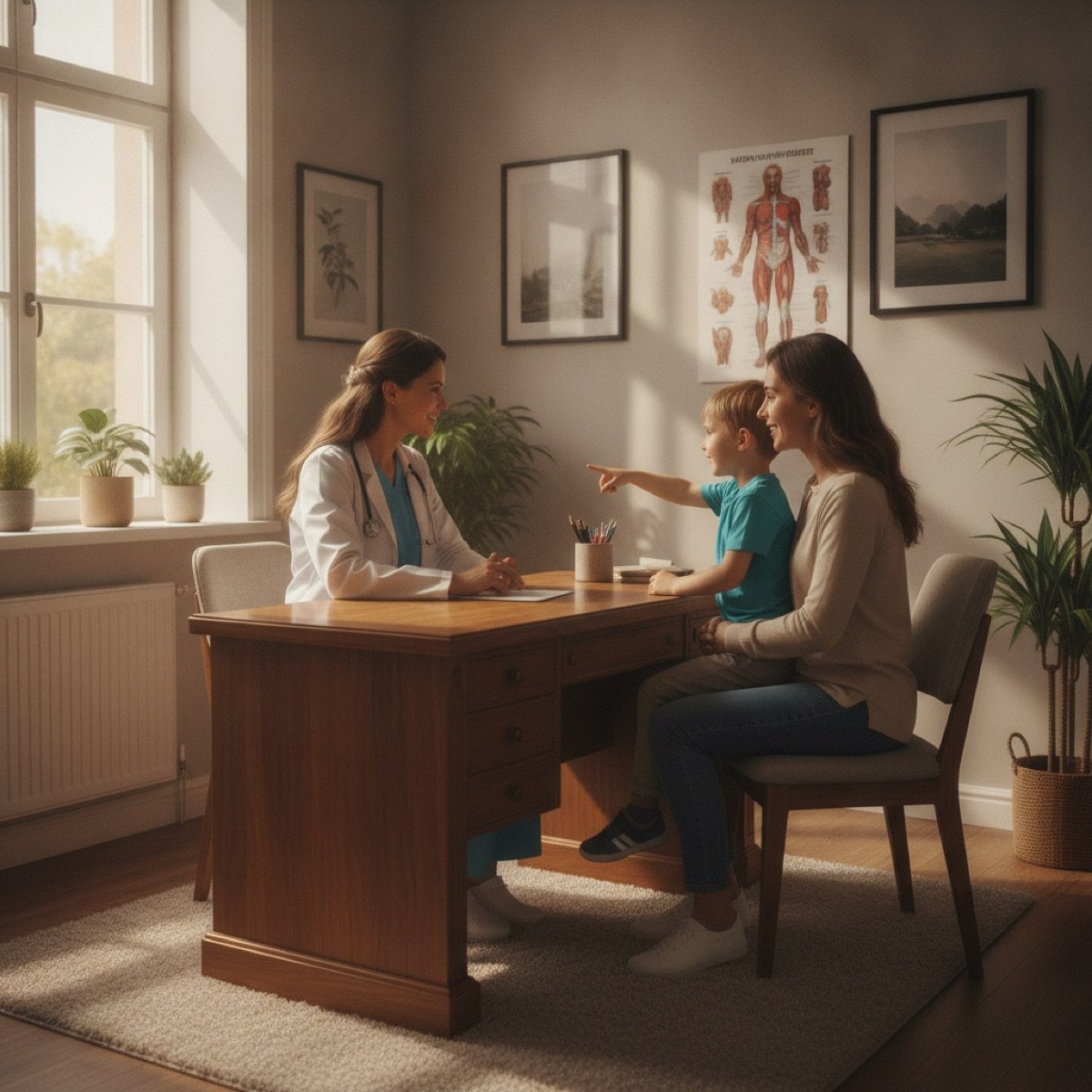
A sports physical is a focused evaluation that answers one main question: is it safe for this person to play a sport? A regular physical — also called an annual exam or, for children, a well-child visit — is a broader wellness check that looks at overall health, growth, and prevention over time. A sports physical is a subset of the care a full physical provides, not a replacement for it.
The sports physical, formally called a preparticipation physical evaluation (PPE), concentrates on the systems most relevant to athletic safety. As Cleveland Clinic explains, these exams are meant to keep athletes safe, help avoid minor injuries such as sprains, and occasionally detect previously unknown conditions; you can read their overview of the sports physical at Cleveland Clinic. A sports physical typically includes:
Its aim is efficiency and safety: clear the healthy athlete to play, and flag anyone who needs a closer look before competing.
A comprehensive physical exam is more thorough and forward-looking. Depending on age, it may include:
Because it is broader, a regular physical is the visit where a provider can build a full picture of a person’s health, catch issues early, and maintain continuity of care. That is why an ongoing relationship with a primary care provider is valuable for the whole family.
The sports physical is narrow and sport-specific. The regular physical is comprehensive and covers prevention across the board.
The sports physical determines eligibility to play. The regular physical promotes and monitors overall health.
A sports physical is usually required annually before a season, and many schools set a specific date window. A regular physical is generally recommended once a year regardless of sports participation.
The sports physical is quicker and focused. The regular physical takes more time and addresses topics the sports physical intentionally skips, such as detailed mental-health screening, chronic-disease management, and long-term prevention.
This is the practical question most families care about. In many cases, the best approach is to have the sports physical done as part of the annual well-child visit or comprehensive exam. That way, a single visit covers both the sport-clearance requirement and the broader health check. The American Academy of Pediatrics recommends this pairing when possible, because the well-child visit already includes the components a sports physical needs, plus much more.
That said, timing does not always cooperate. When a coach needs a signed form quickly and the annual exam is months away, a stand-alone sports physical at a walk-in clinic is a reasonable and convenient solution. A dedicated sports physical satisfies the athletic requirement, but families should still keep up with the regular annual exam separately — the two are not interchangeable over the long run.
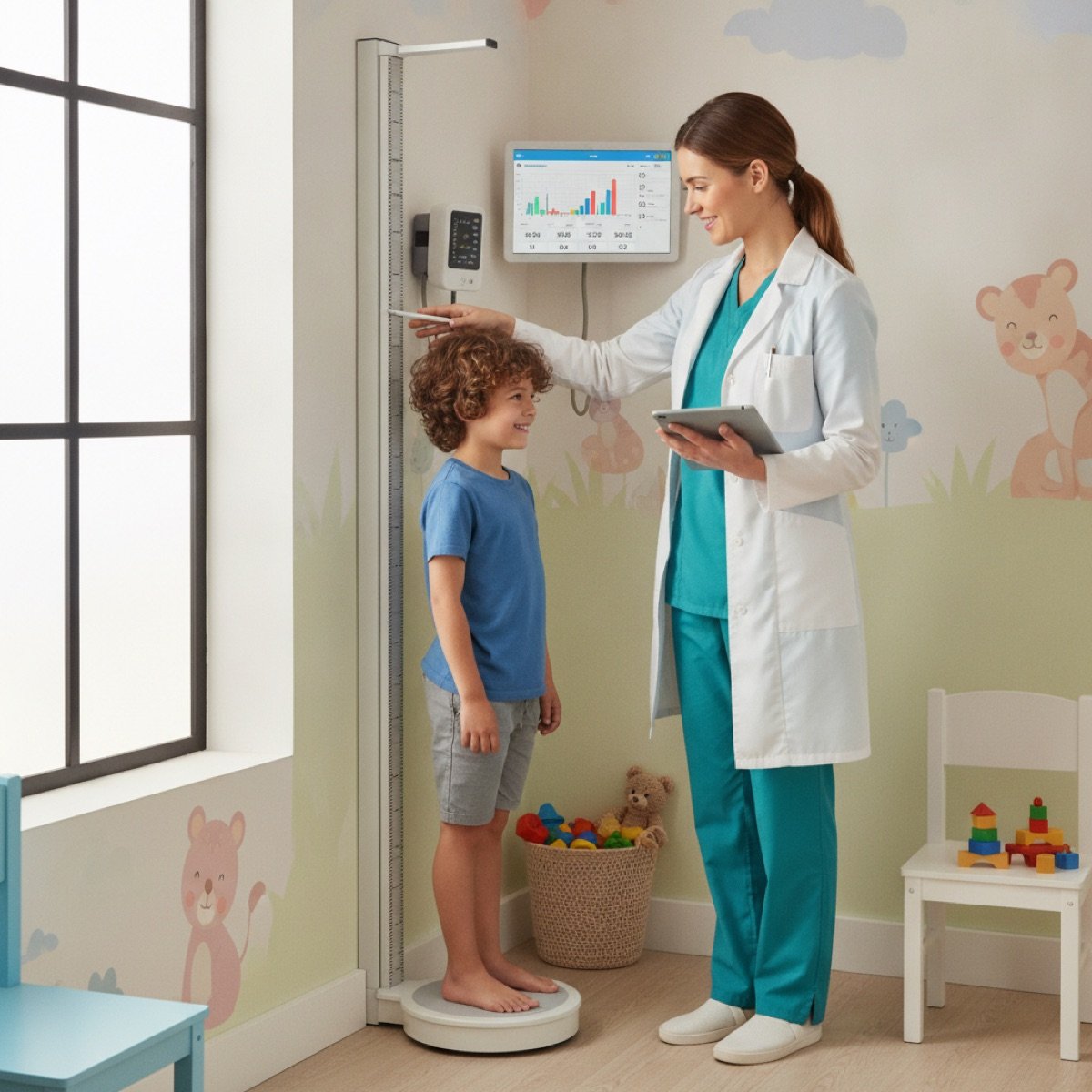
Consider a stand-alone sports physical when:
Choose a comprehensive physical exam when:
If your school also requires a general school physical for enrollment, our team can often address the school and sports requirements together during one visit.
It can be tempting to treat the yearly sports physical as your child’s only medical visit, especially for a busy, healthy teen. But the two exams are built for different jobs, and skipping the comprehensive physical means missing the preventive care that protects long-term health. A regular physical is where a provider tracks growth over time, reviews mental and emotional well-being, updates vaccines, and catches slow-developing issues that a focused sports screen is not designed to find. The sports physical, in turn, is the visit that specifically clears an athlete for competition each season.
Think of them as complementary rather than competing. The sports physical keeps your athlete safe on the field this season; the annual physical keeps them healthy across all the seasons of their life. When timing allows, combining the two into a single well-child visit gives you the best of both — full preventive care plus sport clearance in one appointment.
Whether you come in for a focused sports physical or a comprehensive checkup, a little preparation helps. Bring any form your school or league requires, a current list of medications and supplements, details about past injuries and surgeries, and notes on any symptoms your child has had during activity. If your child wears glasses or contacts, bring them for the vision screening. For a comprehensive physical, it also helps to bring immunization records and a list of questions you want to discuss, since that visit is meant to cover the bigger picture of your child’s health.
Regardless of which exam you choose, do not wait for a scheduled visit if warning signs appear. Call 911 or go to the nearest emergency department for chest pain, fainting during exercise, severe shortness of breath, or signs of a serious head injury. These require immediate evaluation, not a routine physical.
Costs depend on the provider and whether the visit is billed to insurance or bundled into a well-child visit. For current pricing and insurance details, please see our cost and insurance page or call our office.
No. A sports physical is focused on athletic safety and does not cover the full range of preventive care in an annual exam. Keep both on your calendar.
Yes. Adults joining recreational leagues, clubs, or organized events may also need a preparticipation evaluation, and the same focused approach applies.
The Nemours guide to sports physicals on KidsHealth is a clear, parent-friendly resource.
Not sure which visit you need? Our team can help. Immediate Care Center of Westmont is open Monday through Friday, 9 AM to 6 PM, and Saturday and Sunday, 9 AM to 5 PM, with two locations serving Westmont and DuPage County. Walk in anytime, check in online to save time, or call us at (630) 324-6825.
This page is for general educational purposes and is not a substitute for professional medical advice. If you are experiencing a medical emergency, call 911.
Monday – Friday: 9:00 AM – 6:00 PM
Saturday – Sunday: 9:00 AM – 5:00 PM

These settings are saved on this device only.