Pneumonia and walking pneumonia treatment in Westmont, IL
Pneumonia is a lung infection that causes cough, fever and trouble breathing. Walking pneumonia is a milder form that can feel like a cold that will not go away. Urgent Care Center of Westmont examines your lungs, can take a chest X-ray at our Cass Ave clinic, and explains your treatment plan.
Pneumonia is an infection of the lungs caused by bacteria, viruses and, less often, fungi.
Walking pneumonia is often caused by Mycoplasma pneumoniae, and symptoms can take 1 to 4 weeks to appear after exposure.
A chest X-ray helps confirm pneumonia, and our X-ray is at the 29 N Cass Ave clinic only.
Some people feel better within a week, while others need a month or longer to fully recover.
Adults 50 and older and all children under 5 are advised to get a pneumococcal vaccine.
How we diagnose and treat pneumonia at our Westmont, IL clinic
Urgent Care Center of Westmont, also known as Immediate Care Center of Westmont, sees adults and children with cough, fever and chest symptoms seven days a week. Our team is led by board-certified physicians. Pneumonia can look a lot like a cold, the flu or bronchitis, so the visit focuses on telling them apart.
Check inWalk in or book online. If you think you need a chest X-ray, choose our main clinic at 29 N Cass Ave, Ste A. Our location inside Jewel-Osco does not have X-ray.
History and examYour clinician asks when the cough started, whether you have fever or chest pain, and who else is sick at home. They check your vital signs and listen to your lungs.
Your treatment planTreatment depends on the cause. Your clinician can recommend treatment, which may include prescription medicine when appropriate, plus home care and a plan for follow-up.
MedlinePlus explains that antibiotics treat bacterial pneumonia, while antibiotics do not help most viral pneumonia. If your illness looks severe or your breathing is not safe for home care, your clinician will explain why you need hospital-level care.
Walking pneumonia symptoms vs. pneumonia symptoms
The CDC lists chest pain when you breathe or cough, cough, fever or chills, tiredness, shortness of breath, confusion, and nausea, vomiting or diarrhea as common pneumonia symptoms. With walking pneumonia, people often seem better than expected, which is how it got its name.
Walking pneumonia (often Mycoplasma)
Slowly worsening cough
Tiredness and headache
Sore throat and low fever
You can usually keep doing daily tasks
Symptoms can last several weeks
Typical pneumonia
Cough, often with phlegm
Fever, chills and sweats
Shortness of breath
Chest pain when breathing or coughing
You may feel too sick to get out of bed
A cough that lingers after a cold, or a fever that comes back after you started to feel better, is a good reason to get your lungs checked. See our cough symptom guide for other common causes.
What causes pneumonia, and is it contagious?
Read moreClose
The CDC says common bacterial causes include Mycoplasma pneumoniae and pneumococcus. Common viral causes include flu, COVID-19, RSV, human metapneumovirus, parainfluenza and rhinovirus. Sometimes no single germ is found.
Pneumonia itself is not passed from person to person, but many of the germs that cause it are. Mycoplasma spreads through coughing and sneezing. The CDC notes that symptoms can take 1 to 4 weeks to show up, so a whole household or classroom can get sick over several weeks.
In Illinois, flu and other respiratory viruses rise in fall and winter, and pneumonia often follows a cold or the flu. A cough with chest congestion that gets worse instead of better should be checked.
How long does pneumonia last? A recovery timeline
Read moreClose
MedlinePlus says some people feel better within a week, while others take a month or longer. Age, other health problems and the cause of the infection all make a difference. This table shows a typical pattern for a healthy adult treated at home.
Typical pneumonia recovery for a healthy adult (general guide)
Time after diagnosis
What many people notice
First few days
Fever starts to come down. You need a lot of rest and fluids.
About 1 week
Energy improves. Chest pain eases. Cough is still common.
2 to 4 weeks
Cough and tiredness fade slowly. Many people return to normal routines.
4 to 6 weeks or more
Older adults and people with lung or heart conditions may need this long or longer.
Cleveland Clinic notes that a cough and tiredness from walking pneumonia can linger for a few weeks even after other symptoms improve. Call us if you are not getting better as expected or start to feel worse.
Home care while your lungs heal
Read moreClose
Rest as much as you can. Return to work or school when your fever is gone and you feel up to it.
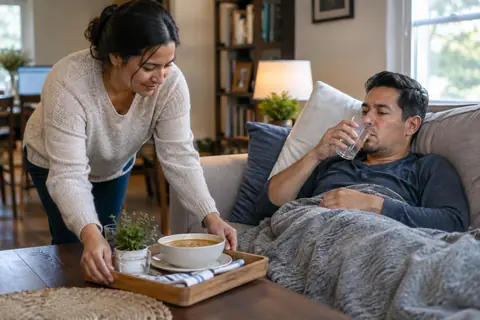
Drink plenty of fluids to help loosen mucus.
Take any prescribed medicine exactly as directed, and finish the full course.
Use fever and pain relievers only as the label or your clinician directs.
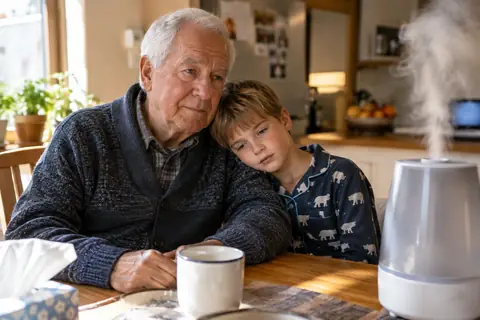
Run a clean humidifier or breathe in steam from a warm shower.
Do not smoke, and stay away from secondhand smoke.
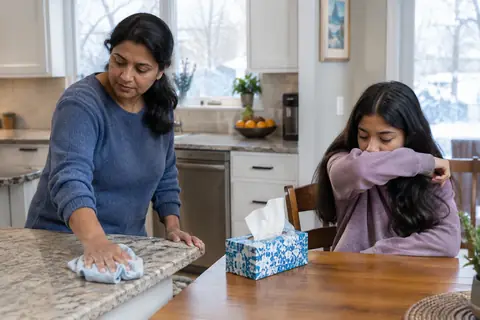
Cover coughs and wash your hands often to protect others at home.
Ask before using cough medicine for a child. The CDC advises against cough and cold medicines for children under 6 unless a clinician says otherwise.
Pneumonia in children and older adults
Read moreClose
MedlinePlus lists children age 2 and under and adults 65 and older among the groups at higher risk. People with lung disease, diabetes, heart failure or a weak immune system are also at higher risk.
Babies and young children
Infants may not show the usual signs. The CDC notes that children under 5 with Mycoplasma may have wheezing, a runny nose, sneezing, vomiting or diarrhea instead of a classic cough. Our pediatric urgent care visits are built for kids and worried parents.
Older adults
MedlinePlus says older adults may have milder symptoms, a lower-than-normal temperature, or sudden weakness or confusion. A change in thinking or energy can be the first clue, so do not wait for a high fever.
How to lower your risk of pneumonia
Read moreClose
Pneumococcal vaccine: the CDC recommends it for all children under 5, all adults 50 and older, and younger people with certain health conditions.
A yearly flu shot and staying current on COVID-19 vaccines, since pneumonia often follows these viruses.
Handwashing and covering coughs and sneezes, which the CDC lists as ways to slow Mycoplasma.
Not smoking, which protects your airways.
Managing long-term conditions such as asthma, COPD and diabetes.
Ask about immunizations at your next visit. Call (630) 324-6825 first if you need a specific vaccine, since supply can change.
Cost and insurance for a pneumonia visit
Read moreClose
We accept most major insurance plans, including Blue Cross Blue Shield, Cigna, Humana, UnitedHealthcare and Medicare. Please call to confirm your plan. Our cost and insurance page lists every plan we take. If you pay on your own, general visits start from $125. Ask our front desk about tests such as X-ray before they are done.
Walking pneumonia often starts like a cold. The CDC lists tiredness, sore throat, headache, low fever and a cough that slowly gets worse. Because symptoms build over days and can last weeks, many people keep working while sick. A cough that lingers or worsens after a cold is worth a lung check.
Is walking pneumonia contagious?
Yes. The bacteria that most often cause it, Mycoplasma pneumoniae, spread through coughing and sneezing. Symptoms can take 1 to 4 weeks to appear, so people may spread it before they know they are sick. Cover coughs, wash hands often and avoid close contact while you have symptoms.
Can urgent care diagnose pneumonia?
Yes. Our clinicians listen to your lungs and can order a chest X-ray at our 29 N Cass Ave clinic in Westmont, IL. They may also run a rapid flu or COVID-19 test or send blood work to the lab. If your symptoms are severe, they will explain why you need a higher level of care.
How do I know if it is pneumonia or bronchitis?
Both cause a cough. Pneumonia is an infection inside the lungs and more often causes fever, chills, shortness of breath and chest pain when breathing. Bronchitis affects the airways and usually causes a cough with mild aches. A lung exam, and sometimes a chest X-ray, helps tell them apart.
Do you always need antibiotics for walking pneumonia?
Not always. The CDC says most mild Mycoplasma infections get better without medicine, though clinicians often treat pneumonia with antibiotics. Viral pneumonia does not respond to antibiotics. Your clinician will explain what fits your symptoms, exam and test results.
How long does it take to recover from pneumonia?
MedlinePlus says some people feel better within a week, while others take a month or longer. A cough and tiredness often last the longest. Older adults and people with heart or lung conditions usually need more time. Call us if you are not improving or feel worse.
“I had a fantastic experience at this immediate care facility. The staff were incredibly fast and efficient, and the entire place was spotless. Highly recommended!”
Hugo J. · January 2025 · Google★★★★★
“Always polite and professional staff. Appointments are pretty quick which I prefer. They do a 👍 job.”
Ashley H. · July 2024 · Google★★★★★
“I have had the most amazing experience here especially with the front desk. Jennyfer A. She is always so nice, so fast and so helpful. She puts a smile on my face.”