Red, itchy or crusty eyes: causes, relief and when to get checked
Red, itchy or crusty eyes are usually pink eye (conjunctivitis) caused by a virus, bacteria or allergies, and many cases clear up on their own. Thick discharge, symptoms lasting more than 3 to 4 days, or a stye that will not drain are good reasons to visit Urgent Care Center of Westmont in Westmont, IL.
Viruses, bacteria and allergies are the most common causes of pink eye.
Viral pink eye usually causes watery discharge, while bacterial pink eye causes thick pus that can glue the eyelids together.
Allergic pink eye usually affects both eyes and causes intense itching.
Viral and bacterial pink eye are very contagious, so wash your hands often and do not share towels.
A stye often drains and heals on its own with a warm, wet cloth held on it for 10 minutes, 4 times a day.
What usually causes red, itchy or crusty eyes?
Most red eyes come from swelling of the conjunctiva, the thin clear layer over the white of the eye and inside the eyelids. The CDC names viruses, bacteria and allergens as the most common causes. Here they are with other causes, roughly from most to least common.
Common causes of red, itchy or crusty eyes
Cause
How common
Clues
Viral pink eye
Very common
Watery discharge, often with a cold; starts in one eye and spreads to the other
Bacterial pink eye
Common
Thick yellow, white or green pus; lids stuck together in the morning
Allergic pink eye
Common in pollen seasons
Both eyes, intense itching, sneezing or an itchy nose
Irritants
Common
Smoke, dust, chemicals or wearing contact lenses too long; burning and watering
Stye
Common
A tender red bump at the edge of the eyelid
Dry eye
Common
Gritty, burning feeling that improves with artificial tears
Something in the eye
Sudden
A loose eyelash or speck; one eye, feels like something is there
Viral, bacterial or allergic? How to tell pink eye apart
The CDC describes these patterns. The type of discharge and how much your eyes itch are the most useful clues.
Telling the three main types of pink eye apart
Clue
Viral
Bacterial
Allergic
Discharge
Watery, not thick
Thick pus that can stick the lids together
Watery
Itching
Can itch
Can itch
Intense
One or both eyes
Often starts in one, spreads within days
One or both
Usually both
Other clues
A cold, flu or other respiratory infection
Sometimes comes with an ear infection
Sneezing, itchy nose, scratchy throat or asthma
Contagious?
Yes, very
Yes, very
No
Stye or pink eye?
A stye is a single tender, red bump at the edge of the eyelid. It forms when an oil gland gets blocked and bacteria grow inside. Pink eye makes the white of the eye red without a bump. Some other eye problems can look like pink eye too. Read what is commonly misdiagnosed as pink eye.
Wash your hands before and after touching your eyes.
Use a cool compress to calm allergic itching, and a warm compress to loosen crusts on the lids.
Use artificial tears for irritation. Wait about 10 minutes between different kinds of eye drops.
Avoid contact lenses and eye makeup until your eyes heal.
Do not share towels, washcloths, pillowcases or eye makeup, and change pillowcases often.
Avoid smoke, wind and dry air. A humidifier can help.
For a stye, hold a warm, wet cloth on it for 10 minutes, 4 times a day. Do not squeeze or pop it.
How long to wait: many cases of pink eye clear on their own. MedlinePlus says to contact a provider if symptoms last more than 3 to 4 days. A stye should start to improve within 1 to 2 weeks of warm compresses. Learn more in can eye infections clear up on their own.
When should you go to urgent care for red eyes?
Read moreClose
Urgent care is a good fit for most pink eye and styes. Come in if any of these are true:
Thick yellow, white or green discharge, or lids stuck together
Symptoms last more than 3 to 4 days, or are getting worse
Swollen eyelids or redness of the skin around the eye
Pink eye with a headache
A stye that is not better after 1 to 2 weeks, is very large or painful, or bleeds
A new stye soon after another one
Your child's school or day care needs a clinician's okay before your child can return
Some red eyes are not pink eye. If any warning sign listed at the bottom of this page applies, call 911 or go to the nearest emergency room instead of urgent care.
Urgent Care Center of Westmont, also known as Immediate Care Center of Westmont, sees red and irritated eyes 7 days a week. Our team is led by board-certified physicians.
QuestionsWhen it started, the type of discharge, itching, allergies, contact lens use, recent colds and anyone at home with pink eye.
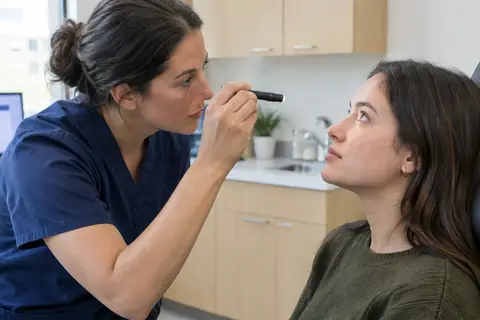
ExamYour clinician examines your eyes, eyelids and the skin around them with a light. Most pink eye is diagnosed by exam alone.
A plan for the causeBacterial pink eye is usually treated with antibiotic eye drops when appropriate. Viral pink eye usually clears without antibiotics, so care focuses on comfort. Allergic pink eye is treated by avoiding triggers, cool compresses and allergy eye drops. See pink eye treatment and stye and eyelid bump care.
Referral when neededIf your symptoms suggest a problem beyond pink eye, we explain why and refer you to an eye doctor.
If itchy eyes keep coming back each season, allergy testing with a blood test can help find your triggers. Many insurance plans are accepted, and self-pay visits start from $125.
Red eyes in kids vs. adults
Read moreClose
Babies and children
Newborns are a special case. The CDC says a newborn with any pink eye symptoms should see a doctor right away. Older children often rub their eyes and spread pink eye to others. Bacterial pink eye sometimes comes with an ear infection, so mention any ear pain. The CDC says people can return to school or work with their doctor's approval when they have no fever or other symptoms. Check your school or day care's own rules too.
Adults
Adults are more likely to have red eyes from dry eye, allergies or wearing contact lenses too long. If you wear contacts, take them out and bring your lens case and glasses to your visit. Itchy, watery eyes with sneezing point to allergies; see our allergy symptoms guide.
How to prevent pink eye and styes
Read moreClose
Wash your hands often, and keep your hands away from your eyes.
Do not share towels, washcloths, pillowcases, eye drops or eye makeup.
Change pillowcases often while anyone at home has pink eye.
Handle contact lenses as directed: clean, store and replace them on schedule.
Stay current on vaccines, which the CDC says can prevent some infections linked to pink eye.
Manage allergies, and avoid known triggers such as pollen, dust or pet dander when you can.
In Westmont, IL, allergic pink eye often flares when trees, grasses and weeds release pollen in spring, summer and fall. Browse our other symptom guides, including sinus pressure.
The discharge is the main clue. The CDC says viral pink eye usually causes watery discharge and often comes with a cold. Bacterial pink eye causes thick pus that can glue the eyelids together. Allergic pink eye affects both eyes and itches a lot. A clinician can confirm the type with an exam.
Does pink eye go away on its own?
Often, yes. Viral pink eye usually clears without antibiotics, and allergic pink eye improves when you avoid the trigger. Bacterial pink eye may be treated with antibiotic eye drops. MedlinePlus says to contact a provider if symptoms last more than 3 to 4 days or get worse.
Is pink eye contagious?
Viral and bacterial pink eye are very contagious and spread easily from person to person. Allergic pink eye is not contagious. Wash hands often, avoid touching your eyes, and do not share towels, pillowcases or eye makeup. Ask your clinician when it is safe to return to school or work.
Can urgent care treat pink eye?
Yes. At Urgent Care Center of Westmont, a clinician examines your eyes and explains whether the cause looks viral, bacterial or allergic. Treatment may include prescription antibiotic eye drops when appropriate, or comfort care and allergy relief. If something more serious is suspected, we refer you to an eye doctor.
What is the difference between a stye and pink eye?
A stye is a tender, red bump at the edge of the eyelid caused by a blocked, infected oil gland. Pink eye makes the white of the eye look red or pink, often with discharge, without a bump. Warm compresses help a stye drain. Pink eye care depends on the cause.
Are there over-the-counter antibiotic eye drops?
No. In the United States, antibiotic eye drops need a prescription. Over-the-counter artificial tears can ease irritation, and some allergy eye drops are sold without a prescription. If you think you have bacterial pink eye, a clinician can examine you and prescribe drops when appropriate.
“I always have. Very good experience when coming to Urgent Care of Westmont. I have referred friends to go here as well and they in turn have same praise to organization and say refer their families and friends too”
Patty R. · August 2026 · Google★★★★★
“Awesome Thank you very helpful professional.I Had severe skin issue they helped me right away.So grateful”
misha h. · June 2026 · Google★★★★★
“Literally the best. Seriously worth going to. Friendliest people at all parts and helpful”