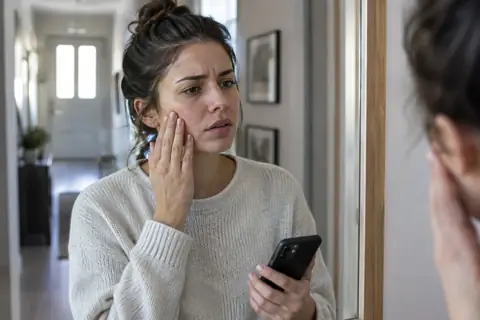
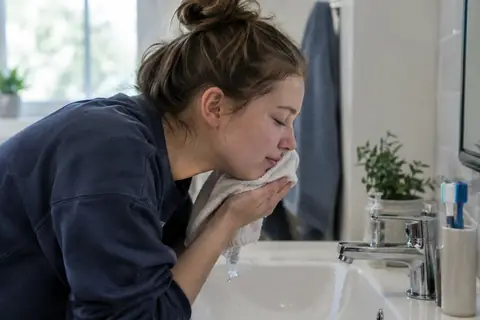
Acne care for teens and adults at Urgent Care Center of Westmont in Westmont, IL. We look at your skin, talk through treatment options and help you build a routine. Walk in or check in online.
Acne is a common skin condition that happens when hair follicles become clogged with oil and dead skin cells. It is most common in teens and young adults, but people of all ages can get it. At Urgent Care Center of Westmont in Westmont, IL, also known as Immediate Care Center of Westmont, our team can evaluate your skin and help you start a treatment plan.
Acne treatment takes patience. The American Academy of Dermatology says it takes at least 6 to 8 weeks to see fewer breakouts. Starting early can help prevent the deep breakouts that lead to scars.
Key facts
MedlinePlus says research does not show that chocolate, nuts or greasy foods cause acne.
Picking, popping or squeezing pimples can make breakouts last longer and raise the risk of scars and dark spots.
Some acne medicines make skin burn more easily, so the AAD advises a broad-spectrum, non-comedogenic sunscreen with SPF 30 or higher.
Our clinicians in Westmont, IL can examine your skin, recommend a treatment plan and refer you to a dermatologist when acne is severe.
Types of acne and common symptoms
Acne most often appears on the face, but it can also show up on the back, chest and shoulders. NIAMS describes several types:
Whiteheads: plugged pores under the skin with a white top
Blackheads: plugged pores open at the surface that look dark
Papules: small, pink, tender bumps
Pustules: red bumps topped with white or yellow pus
Nodules: large, deep, painful, solid lumps
Cysts: deep, painful, pus-filled lumps that can scar
Things that raise the chance of acne include hormone changes, such as during puberty, family history, certain medicines and age. Acne is more common in teen boys and in adult women.
How we evaluate and treat acne at our Westmont, IL clinic
The provider will look at the type and spread of your acne and ask about your skin care, products and medicines, and what you have already tried. For some women, they may ask about menstrual cycles, since hormones can play a role.
Treatment is matched to how mild or severe your acne is. The AAD notes that plans may include creams or gels, medicines taken by mouth, or both. Your provider will explain the options that fit you and how to use them.
Everyday skin care tips
Wash gently twice a day and after sweating
Choose products labeled non-comedogenic or oil-free
Do not pick, pop or scrub pimples
Give a new treatment several weeks to work before judging it
The AAD recommends seeing a board-certified dermatologist for moderate to severe acne, acne that does not respond to treatment, or concern about scarring. If you need that level of care, we can help you with a referral.
When to seek prompt or emergency care
Read moreClose
Acne itself is not an emergency. See a provider promptly if a bump becomes very red, hot, swollen and painful, or if redness spreads, because this can signal a skin infection. A sudden rash with blisters, peeling skin or swelling after starting a new medicine also needs quick care.
Call 911 or go to the nearest emergency room for swelling of the lips, tongue or throat, trouble breathing, chest pain, stroke signs or severe bleeding.
Walk-ins are welcome at both of our locations: the main clinic at 29 N Cass Ave, Ste A, Westmont, IL 60559, and our second location inside Jewel-Osco at 4 E Ogden Ave, Westmont, IL 60559. Both are open Monday to Friday, 9 AM to 6 PM, and Saturday and Sunday, 9 AM to 5 PM. Call (630) 324-6825, or check in online before you arrive.
We accept most major plans, including Blue Cross Blue Shield (PPO), BCBS Advocate Good Samaritan (HMO), Cigna, Humana, UnitedHealthcare, Medicare, Meridian and CountyCare. Coverage varies, so please call to confirm your plan. Read more on our cost and insurance page.
No insurance? Self-pay patients get flat, upfront pricing, with a general visit from $125. Ask about the price of any tests before they are done. See self-pay urgent care pricing.
What happens at your acne visit
Read moreClose
Check inWalk in to either Westmont, IL location or check in online. Bring a list of the skin products and medicines you use, including birth control and supplements.
Talk about your skinYour clinician asks when breakouts started, where they show up, what seems to make them worse and what you have already tried.
Skin examThe clinician looks at the type of spots, such as blackheads, red bumps or deep nodules, and checks for scars, dark marks or signs of infection.
A plan you can followYou leave with a simple routine and treatment options, which may include prescription medicine when appropriate, plus how long to use it before judging results.
Referral when neededIf acne is severe, cystic or leaving scars, we help you plan a visit with a dermatologist.
Is it acne or something else?
Read moreClose
Several skin problems look like acne at first glance. Treatment is different for each, so a quick exam is worth it.
Common acne look-alikes
Condition
What it often looks like
Key clue
Acne
Blackheads, whiteheads, red bumps and pus bumps on the face, chest or back
Clogged pores; blackheads and whiteheads are the giveaway
Rosacea
Redness and small bumps across the cheeks and nose, usually in adults
Flushing and redness, usually without blackheads
Folliculitis
Small pus bumps around hair follicles after shaving, sweating or a hot tub
Myth: chocolate and greasy food cause acne. MedlinePlus says research does not show this. Diets high in refined sugar or dairy may play a role for some people, but that link is still debated.
Myth: the sun clears acne. A little sun can make spots look better for a short time, but tanning mostly hides acne and raises the risk of skin damage. The AAD advises shade and sunscreen instead.
Myth: scrubbing harder helps. Harsh scrubs, astringents and toners dry and irritate skin. The AAD suggests a gentle, alcohol-free cleanser applied with your fingertips.
Myth: all makeup makes acne worse. Water-based or non-comedogenic products are less likely to clog pores. Take makeup off before bed.
Myth: a product should work in a few days. Most treatments need several weeks to a few months. Switching products too often can keep you from seeing results.
Tips for teens, parents and adults
Read moreClose
Teens and athletes
Helmets, chin straps, tight headbands and heavy sweating can set off breakouts where gear touches the skin. Wash gently after practice and keep oily hair off the forehead, since hair oil can cause breakouts there.
Adults
Hormone changes from periods, pregnancy or birth control, stress, and some medicines such as steroids can trigger acne, according to MedlinePlus. Tell your clinician about every medicine you take. If you are pregnant or could be, say so, because some acne medicines are not safe during pregnancy.
Babies and feelings
Baby acne that has not cleared by 3 months should be checked; see our pediatric urgent care page. At any age, acne that affects your mood or confidence is a good reason to get care. MedlinePlus lists emotional stress from acne as a reason to see a provider.
The AAD says it takes at least 6 to 8 weeks to see fewer breakouts. Keep using your plan as directed, even if you do not see results right away.
Is it OK to pop pimples?
No. Picking and popping can push bacteria deeper and raise the risk of scars. A provider can advise safer ways to treat large or painful spots.
Do I need a referral to be seen for acne?
No. You can walk in or check in online. If you need a dermatologist, we can help with a referral.
Can adults get acne?
Yes. NIAMS notes that people of all ages can get acne, and it is more common in adult women than adult men.
Can urgent care prescribe acne medication?
Yes, when it is appropriate. At Urgent Care Center of Westmont, a clinician examines your skin, explains options such as creams, gels or medicine by mouth, and may prescribe treatment that fits your type of acne. For severe, cystic or scarring acne, we can help you plan a visit with a dermatologist.
Does diet cause acne?
MedlinePlus says research does not show that chocolate, nuts or greasy foods cause acne. Diets high in refined sugar or dairy may be linked to acne in some people, but the evidence is mixed. A balanced diet is a sensible step, but gentle skin care and steady treatment usually matter more.
How can I calm a big, painful pimple?
Leave it alone. Squeezing can push bacteria deeper and leave a scar or dark spot. Keep the area clean and use an over-the-counter product with benzoyl peroxide or salicylic acid as the label directs. A large, hot, very painful lump may be a boil and should be checked.
Should I stop my acne treatment if my skin gets dry?
Not without asking. MedlinePlus notes that acne products can cause redness, dryness or peeling and should be used sparingly. Using a smaller amount and adding a gentle, non-comedogenic moisturizer often helps. Call your clinician if the irritation is strong or does not settle.
“These guys were great. Easy check in. Gave me water so I could do urine sample. Were helpful explaining cold sores. Stayed w my mom who has memory issues while I had to leave the room. All that & in & out quick.”
Don G. · September 2025 · Google★★★★★
“Fast service! Really nice people. They took care of my concerns, gave me options for treatment and follow up!”
Ana D. · December 2024 · Google★★★★★
“I rarely go to walk-in clinics but am traveling and needed to be seen. They were excellent here….efficient, polite, professional and knowledgeable. I highly recommend this clinic.”