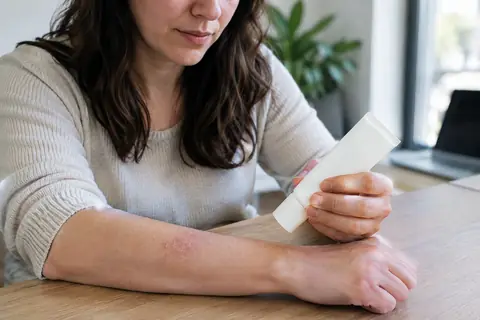
Itchy, red or blistering skin? Urgent Care Center of Westmont checks rashes for children and adults at our Westmont, IL clinic, finds the likely cause and builds a treatment plan to ease symptoms.
A rash is an area of irritated or swollen skin. It may itch, hurt, turn red or form blisters. Urgent Care Center of Westmont, also known as Immediate Care Center of Westmont, evaluates rashes for patients of all ages. Our team is led by board-certified physicians.
Knowing the cause matters, because the right care depends on what kind of rash you have. Walk in or check in online at our Westmont, IL clinic. If you have trouble breathing or your lips or eyes are swelling, call 911 instead.
Key facts
Many rashes are a form of dermatitis, or skin inflammation, triggered by things like soaps, detergents, cosmetics, rubber, dyes or plants.
Pat irritated skin dry instead of rubbing, and wash with a gentle cleanser and warm, not hot, water, MedlinePlus advises.
Hives are red, often itchy bumps; reactions to foods or medicines, infections and stress can all trigger them.
Photos of a rash at its worst help a clinician at Urgent Care Center of Westmont in Westmont, IL when a rash comes and goes.
Common Causes and Symptoms of Rashes
MedlinePlus lists many possible causes. Common ones include:
Contact dermatitis: a reaction to something that touched the skin, such as poison ivy, soaps or metals
Hives: raised, itchy welts, often from an allergic reaction
Eczema: dry, itchy patches that can flare
Infections: viral, bacterial or fungal, such as impetigo or shingles
Medicine reactions: a new rash after starting a new medicine
How We Evaluate and Treat Rashes at Our Westmont, IL Clinic
Your clinician looks at the rash, asks when it started, where it spread and what you have been exposed to. They also ask about new products, foods, medicines and other symptoms like fever.
If needed, we may use tests such as a skin swab, skin scraping or lab work to help find the cause. Treatment depends on the diagnosis. MedlinePlus notes that options can include moisturizers, cooling baths, cortisone creams for swelling and antihistamines for itching. Some rashes need other medicines. We also explain triggers to avoid and when to follow up.
When a Rash Needs Emergency Care
Read moreClose
The American Academy of Dermatology says to get emergency care right away for:
Trouble breathing or swallowing
Swelling of the eyes or lips
See a clinician promptly for a rash that covers most of your body, spreads fast, blisters or becomes raw, is painful, comes with a fever, involves the eyes, mouth or genitals, or shows signs of infection like pus, warmth or yellow crusts.
We accept most major plans, including Blue Cross Blue Shield (PPO), Cigna, Humana, UnitedHealthcare, Medicare and State of Illinois Benefit Plans. Call (630) 324-6825 to confirm. Details are on our cost and insurance page. Without insurance, see our self-pay urgent care services, with flat upfront pricing and general visits from $125.
Questions your clinician will ask
Read moreClose
Rashes are diagnosed largely from the story behind them. MedlinePlus lists the questions a clinician usually asks. Thinking through them before your visit saves time:
When did the rash start, and which parts of your body does it cover?
What makes it better or worse?
Have you used a new soap, detergent, lotion or cosmetic, or started a new medicine?
Have you been in wooded areas, noticed a tick or insect bite, traveled, or eaten anything unusual?
Do you have other symptoms, such as itching, scaling or fever?
Do you have asthma, allergies, eczema or psoriasis?
Bring photos if the rash changes from hour to hour, and the product or medicine you suspect. Walk in or check in online.
Common rash look-alikes
Read moreClose
A general guide; many rashes look alike, which is why an exam helps
Rash
What it often looks like
Common triggers
Learn more
Contact dermatitis
Red, itchy patches or streaks where something touched
Wash with a gentle cleanser and warm, not hot, water.
Stop any new cosmetic, lotion or soap you started around the time the rash appeared.
Leave the area open to the air when you can.
Calamine lotion may help poison ivy and other contact rashes.
Over-the-counter 1% hydrocortisone cream can soothe many itchy rashes, and an oral antihistamine may ease itching.
For eczema, moisturize often; oatmeal bath products may help eczema or psoriasis.
Not sure what the rash is? Try the gentle steps first and hold off on strong creams until a clinician has seen it, so the rash still looks the way it did.
Tests that can help find the cause
Read moreClose
Most rashes need no test; these help when the cause is unclear
Test
What it looks for
Skin scraping
Fungus, such as ringworm or athlete's foot
Skin swab
Bacteria or viruses in sores or blisters
Blood tests
Signs of infection or other conditions linked to a rash, through lab testing
Allergy testing
Allergic triggers for hives or eczema flares
Skin biopsy
A tiny skin sample, usually taken by a dermatologist when a rash is unusual or long-lasting
MedlinePlus advises finding out what kind of rash you have before treating it. If you already used something, tell your clinician.
Is my rash contagious?
Some are, such as impetigo. Others, like contact dermatitis, are not. An exam helps sort this out.
Can you see my child for a rash?
Yes. We see children and adults. A rash with a fever or a child who seems very ill should be checked promptly.
Do I need an appointment?
No. Walk in, or save your spot with online check-in .
Why did I suddenly get a rash?
New soaps, detergents, lotions or medicines, plants like poison ivy, insect bites, infections and stress are common triggers. Think about anything new in the last few days. If you cannot find the cause, a clinician can help narrow it down.
How long do hives last?
Most hives fade on their own within hours to days, and many cases need no treatment, according to MedlinePlus. Hives that keep coming back for more than six weeks are called chronic hives and are worth a visit to look for triggers.
Can stress cause a rash?
Yes. MedlinePlus lists stress as a cause of hives, and stress can also make eczema and psoriasis flare. Managing stress, sleep and skin care together often helps.
When should I see a dermatologist instead of urgent care?
A dermatologist is a good fit for long-lasting conditions like psoriasis or severe acne, a mole that is changing, or a rash that has not responded to treatment. For a new, uncomfortable rash, urgent care is a good place to start.
“Fast and knowledgeable, also looked for related issues to my sprained big toe. Getting better ...”
Chris T. · April 2024 · Google★★★★★
“Staff friendly, seem promptly, medical direct was MD who saw us. Gave us the tests we needed, didn’t hassle for unnecessary tests for sick visit for my son. In and out quickly and happy patients.”
M C. · December 2023 · Google★★★★★
“Great staff! Very kind and competent. Came for a physical and got in and out super fast!”