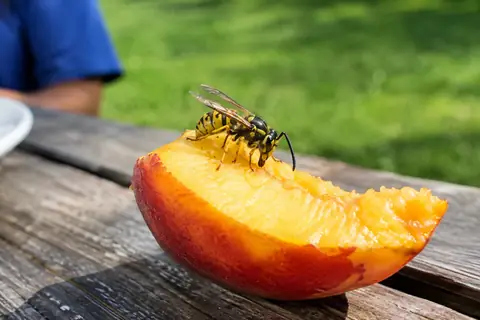
Insect sting care at Urgent Care Center of Westmont in Westmont, IL for bee, wasp and hornet stings. Our team, led by board-certified physicians, treats pain, swelling and allergic reactions.
Most bee, wasp, hornet and yellow jacket stings cause pain, redness and swelling at the sting site that fade within a few days. A sting becomes an emergency when symptoms spread beyond the skin, such as trouble breathing, throat or tongue swelling, or dizziness. Call 911 for those signs.
For painful, swollen or slow-healing stings, Urgent Care Center of Westmont, also known as Immediate Care Center of Westmont, provides walk-in insect sting care in Westmont, IL for children and adults, with a team led by board-certified physicians.
Key facts
Most bee, wasp and hornet stings cause a normal local reaction: pain, redness and swelling right at the sting site.
Yellow jackets often nest underground, in walls or in woodpiles, so mowing and yard work are common times to get stung.
Bees, wasps and hornets are most active in warmer months, according to the CDC.
Urgent Care Center of Westmont in Westmont, IL sees children and adults for painful, swollen or infected stings seven days a week.
Types of sting reactions
The American College of Allergy, Asthma and Immunology describes three kinds of reactions:
Normal reaction: pain, redness and swelling at the sting site only.
Large local reaction: swelling that spreads well beyond the sting, such as a whole arm swelling after a sting on the forearm. It can look alarming and may take 5 to 10 days to go away.
Allergic reaction: symptoms away from the sting, such as hives, itching or swelling elsewhere, stomach cramps, vomiting, chest tightness, a hoarse voice or trouble breathing. This needs emergency care.
How we treat insect stings at our Westmont, IL clinic
A provider looks at the sting, asks what stung you and when, and reviews any past reactions and allergies. Care may include:
Removing a stinger or other material left in the skin
Cleaning the area and advice on cold packs and keeping the limb raised
Oral or injectable medicine for larger or more uncomfortable reactions, when appropriate
Checking for signs of skin infection, which can show up days later as spreading redness, warmth or pus
Referral for allergy testing if your reaction suggests a venom allergy
First aid at home: scrape a stinger out sideways with a straight edge such as a card rather than squeezing it with tweezers. Wash with soap and water, then apply ice wrapped in a cloth for 10 minutes on and 10 minutes off.
We accept most major plans, including Blue Cross Blue Shield (PPO), BCBS Advocate Good Samaritan (HMO), BCBS Medicaid Community, Cigna, Humana, UnitedHealthcare, Medicare, Meridian, CountyCare, Multiplan/PHCS, ACPN, USAMCO and State of Illinois Benefit Plans. Coverage for lab work depends on your plan, so please call (630) 324-6825 to confirm before you come. Details are on our cost and insurance page.
No insurance, or prefer not to use it? We offer flat, upfront self-pay urgent care pricing, with a general visit from $125. Ask us about the cost of any lab test before it is ordered.
Both of our locations are open Monday to Friday, 9 AM to 6 PM, and Saturday and Sunday, 9 AM to 5 PM. The main clinic is at 29 N Cass Ave, Ste A, Westmont, IL 60559. Our second location, inside Jewel-Osco, is at 4 E Ogden Ave, Westmont, IL 60559. Walk in, or check in online to save your place.
What happens at your sting visit
Read moreClose
Tell us what happenedShare what stung you if you know, when and where it happened, how many stings you had, and whether you have reacted to stings before.
Exam of the sting siteA clinician checks how far the swelling has spread, looks for a stinger or other material left in the skin, and checks the skin around it for warmth or streaking.
Treatment planCare may include removing anything left in the skin, cleaning the area, and medicine to ease itching or swelling when appropriate.
Allergy questionsIf your reaction suggests a venom allergy, we explain why an allergist visit or allergy testing may help you plan for future stings.
Home care and follow-upYou leave with simple home care steps and the signs that mean you should come back for a recheck.
Walk in to either Westmont, IL location, or check in online before you leave home.
Bee, wasp, hornet or yellow jacket: which one stung you?
Read moreClose
Common stinging insects, based on the American Academy of Allergy, Asthma & Immunology
Insect
Where it nests
Good to know
Honeybee or bumble bee
Hives, and near flowering plants
Usually stings only when provoked
Yellow jacket
Underground, inside walls or in woodpiles
Often found around outdoor food and trash
Paper wasp
Open, downward-facing combs under eaves, behind shutters or in shrubs
Common around homes, decks and play sets
Hornet
Gray or brown football-shaped nests high in trees, shrubs or gables
Larger than a yellow jacket
Knowing the insect is helpful, but it is not required. Treatment depends mostly on how your body reacts, not on which insect it was. Our bites and stings guide covers ticks, spiders and other bugs, and our bee sting treatment page has more on honeybee stings.
Home care for the next few days
Read moreClose
Keep the area clean with soap and water.
Use a cold pack wrapped in a thin cloth to ease swelling and pain.
Raise a swollen arm or leg on a pillow when you sit or sleep.
Try not to scratch. Broken skin can let germs in.
If you use an over-the-counter antihistamine for itching, follow the label, since some cause drowsiness. Ask a pharmacist first for young children or if you take other medicines.
Itching often gets worse as swelling settles, and a large local reaction can stay puffy for several days. Skin that turns warmer, more painful or starts to drain pus can be a sign of infection and should be checked.
Preventing stings outdoors in Westmont, IL
Read moreClose
Summer yard work, sports, cookouts and trail walks are when most stings happen. The CDC and the American Academy of Allergy, Asthma & Immunology suggest these habits:
Wear light-colored, smooth clothing, and skip perfume, cologne and scented lotions outdoors.
Cover food and sweet drinks at picnics, and check cans and straws before you sip.
Wear closed-toe shoes instead of going barefoot in the grass.
Avoid loose clothing that can trap an insect against your skin.
If a single bee or wasp is close by, stay calm and move away slowly. Swatting can provoke a sting.
Have nests near your home removed by a professional.
A normal reaction usually settles within a few days. A large local reaction can take 5 to 10 days to go away.
Does a large local reaction mean I am allergic?
Not necessarily. A large local reaction stays around the sting site. Symptoms in other parts of the body point to an allergic reaction, and an allergy evaluation may help.
Should I use tweezers to pull out a stinger?
MedlinePlus advises scraping the stinger out with a straight edge instead, because squeezing may release more venom.
Do you treat children for stings?
Yes. Walk in, or check in online for sting care .
Can urgent care remove a stinger?
Yes. If part of a stinger or other material is still in the skin, a clinician can look for it, remove it and clean the area. You can often scrape a honeybee stinger out at home with the edge of a card, but come in if you cannot see it, cannot reach it, or the area looks irritated.
Why is my bee sting so itchy days later?
Itching is common as the swelling goes down, and a large local reaction can stay swollen and itchy for several days. Cool compresses and not scratching help. If the itch comes with spreading warmth, worsening pain or pus, the skin may be infected and should be examined.
Can a wasp sting get infected?
Yes, although it is not common. Scratching can break the skin and let bacteria in. Signs include redness that keeps spreading, warmth, pain that gets worse instead of better, or pus. A clinician can check the area and recommend treatment if an infection is found.
Do I need to see an allergist after a bad sting?
If you had symptoms away from the sting site, such as hives in other places, it is worth asking. The American Academy of Allergy, Asthma & Immunology notes that an allergist can diagnose a venom allergy and recommend treatment that lowers the risk of a serious reaction next time.
“Very courteous and professional. I felt like I was in good hands and they answered all my questions.”
Jamie W. · May 2026 · Google★★★★★
“Very impressed. From the receptionist to everyone I came in contact with was very friendly and knowledgeable I highly recommend this place for urgent care”
Jennyfrom C. · March 2026 · Google★★★★★
“All staff was friendly. my care was priority and barely any wait time throughout my process.”