Bee sting care at Urgent Care Center of Westmont in Westmont, IL. We check the sting, look for infection or a spreading reaction and explain relief and warning signs. For throat swelling or trouble breathing, call 911.
Most bee stings cause pain, redness and swelling that fade within a few days. But a sting can also trigger a severe allergic reaction called anaphylaxis, which is an emergency. If someone has trouble breathing, swelling of the lips, tongue or throat, or feels faint after a sting, call 911 now.
For stings that are painful, very swollen or not healing, Urgent Care Center of Westmont in Westmont, IL, also known as Immediate Care Center of Westmont, can help. Our team, led by board-certified physicians, will check the sting, look for signs of infection and explain how to ease symptoms at home.
Key facts
A large local reaction can spread more than 3 inches past the sting, peak 2 to 3 days later and last a week or more, but it is not life-threatening (ACAAI).
Honeybees leave their stinger in the skin; wasps, hornets and yellow jackets usually do not.
After one allergic reaction to a sting, the chance of a similar or worse reaction next time is about 60%, so an allergist visit is worth it (ACAAI).
Stinging insects are most active from late spring through early fall, and insect repellents do not keep them away.
Bee sting symptoms: normal reaction or something more
Common local symptoms
Sharp pain or burning at the sting
Redness and a swollen, raised spot
Itching, numbness or tingling
Signs of a severe allergic reaction
Trouble breathing or wheezing
Swelling of the face, lips, mouth, tongue or throat
Throat tightness or trouble swallowing
Hives or rash spreading over the body
Belly pain, vomiting, dizziness, confusion or fainting
These severe symptoms can develop quickly. They need emergency treatment, not an urgent care visit.
First aid and how we treat stings at our Westmont, IL clinic
First aid at home
Remove the stinger by scraping sideways with a fingernail or the edge of a card. MedlinePlus advises against tweezers, which may squeeze out more venom
Wash the area with soap and water
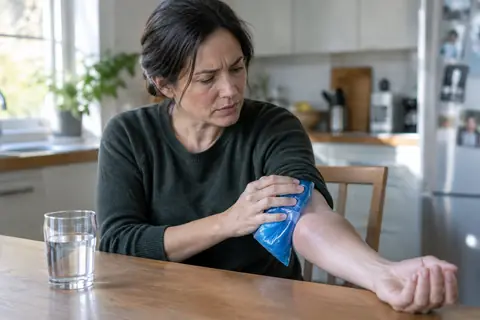
Apply a cold pack wrapped in cloth, 10 minutes on and 10 minutes off
Use an antihistamine or anti-itch cream if needed, following the label
Try not to scratch, which can lead to infection
At our clinic
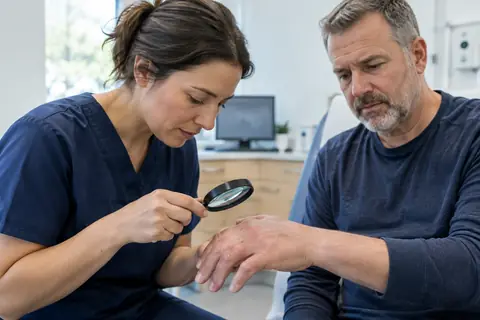
The provider will examine the sting and ask about your symptoms and any past reactions. They can remove any stinger left in the skin, check for spreading redness or infection and recommend treatment for pain, itching and swelling. If you have had a serious reaction before, ask about a referral to an allergist. MedlinePlus notes that people who have had a severe reaction should see an allergist and carry an emergency kit.
Come back or see a provider if the area becomes hot, more red, more swollen or starts to drain pus over the next few days.
Related services and nearby communities
Read moreClose
Other care patients use for bites, stings and skin reactions:
Walk-ins are welcome at both of our locations: the main clinic at 29 N Cass Ave, Ste A, Westmont, IL 60559, and our second location inside Jewel-Osco at 4 E Ogden Ave, Westmont, IL 60559. Both are open Monday to Friday, 9 AM to 6 PM, and Saturday and Sunday, 9 AM to 5 PM. Call (630) 324-6825, or check in online before you arrive.
We accept most major plans, including Blue Cross Blue Shield (PPO), BCBS Advocate Good Samaritan (HMO), Cigna, Humana, UnitedHealthcare, Medicare, Meridian and CountyCare. Coverage varies, so please call to confirm your plan. Read more on our cost and insurance page.
No insurance? Self-pay patients get flat, upfront pricing, with a general visit from $125. Ask about the price of any tests before they are done. See self-pay urgent care pricing.
Normal reaction or large local reaction?
Read moreClose
How sting reactions usually look (ACAAI)
Type
What you see
What helps
Normal reaction
Pain, redness and swelling right at the sting that fade over a few days
Remove the stinger, wash the area and use a cold pack
Large local reaction
Swelling that spreads well beyond the sting, often more than 3 inches, peaking at 2 to 3 days
Cold packs, raising the arm or leg, and an exam if it keeps spreading
Skin infection
Redness, warmth, pain or pus that gets worse a day or more after the sting
See a clinician; it may need treatment
Hives, swelling or other symptoms away from the sting are a different problem. Those warning signs are listed at the bottom of this page.
What happens at your visit
Read moreClose
Look at the stingYour clinician checks for a stinger left behind, measures how far the swelling reaches and may mark its edge so you can see whether it spreads.
Ask about your historyExpect questions about past sting reactions, other allergies, your medicines and whether you carry epinephrine.
Ease the symptomsThe clinician recommends treatment for pain, itching and swelling, which may include prescription medicine when appropriate.
Plan aheadIf you have had body-wide symptoms before, we can refer you to an allergist for testing. See allergy testing.
ACAAI offers these tips for the warm months when stinging insects are busiest:
Cover food and drinks outdoors, and check cans and straws before you sip.
Keep outdoor garbage cans tightly closed.
Wear shoes and socks outside, and skip sweet perfumes and bright, flowery clothing.
Do not swat. Gently brush an insect away or walk off calmly.
Keep window and door screens in good repair.
If you have had a serious sting reaction, guidelines advise keeping two doses of prescribed epinephrine with you. Venom immunotherapy from an allergist can lower your risk of another serious reaction to about that of the general public.
Scrape it out sideways with a fingernail or the edge of a card. Avoid tweezers, which can squeeze more venom into the skin.
How long does swelling from a bee sting last?
Pain and swelling usually improve within a few days. Swelling that keeps spreading, or redness with warmth and pus, should be checked.
When is a bee sting an emergency?
When there is trouble breathing, swelling of the lips, tongue or throat, dizziness or fainting. Call 911 right away.
Can my child be seen for a sting?
Yes. We care for children and adults. See our kids urgent visit page for more about visits for children.
Why is my bee sting itchy days later?
Itching often shows up as swelling goes down and the skin heals. A cold pack, an anti-itch cream or an oral antihistamine used as the label directs can help. Try not to scratch, since broken skin can get infected. Itching with spreading redness, warmth or pus should be checked.
Is it normal for a bee sting to swell more the next day?
It can be. ACAAI says a large local reaction often peaks 2 to 3 days after the sting and can last a week or more. Swelling that spreads but stays around the sting is usually not dangerous. If it keeps growing, gets hot and more painful, or you feel feverish, have it looked at.
Do wasps leave a stinger?
Usually not. Honeybees leave a barbed stinger in the skin, which should be scraped out. Wasps, hornets and yellow jackets keep their stingers and can sting more than once. If you are not sure what stung you, check the center of the sting for a small dark point.
Should I see an allergist after a bee sting?
Yes, if you have ever had hives, swelling away from the sting, throat tightness or trouble breathing after a sting. ACAAI estimates about a 60% chance of a similar or worse reaction next time. An allergist can test you and talk about venom immunotherapy, which can greatly lower that risk.
“Very prompt, very knowledgeable and very kind and informative too. Excellent care by Mattie and Kelly!!!”
Tim G. · May 2026 · Google★★★★★
“I had a laceration that was stitched in ten minutes and was out of there in thirty minutes! No pain the next day. Meds are working! Professional staff all around.”
Jack M. · March 2026 · Google★★★★★
“It was a great visit Yesenia was so nice and made me feel Comfortable after waiting a hour she seen I was still there and called me in right away What a Beautiful Soul”