Walk-in care for minor burns at Urgent Care Center of Westmont in Westmont, IL. We check how deep the burn is, clean and dress it, and explain home care and warning signs. Children and adults welcome. Same-day walk-in visits, no appointment needed.
Most small kitchen, curling iron and hot-water burns can be treated without an emergency room. The first step is simple: cool the burn under cool running water. At Urgent Care Center of Westmont in Westmont, IL, also known as Immediate Care Center of Westmont, our team can check how deep a burn is, clean and dress it, and tell you how to care for it at home.
Some burns are not minor. Large, deep or chemical and electrical burns, and burns on the face, hands, feet, groin or major joints, need emergency care. The guide below, based on MedlinePlus and NHS advice, helps you tell the difference.
Scalds from hot liquids and steam are among the most common causes of burns, according to MedlinePlus.
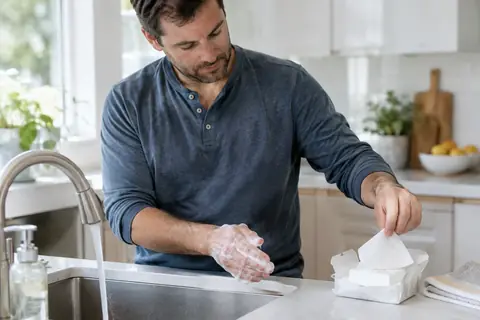
Cool a burn under cool running water, then cover it loosely; skip ice, butter and oil.
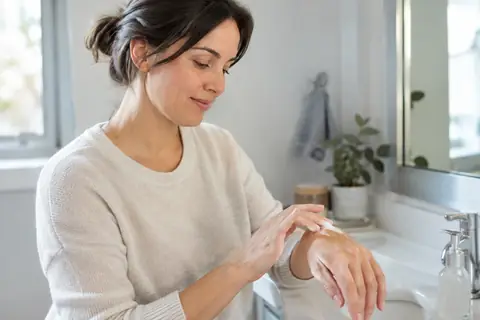
Keep a healing burn clean and covered, and protect new skin from the sun once it closes.
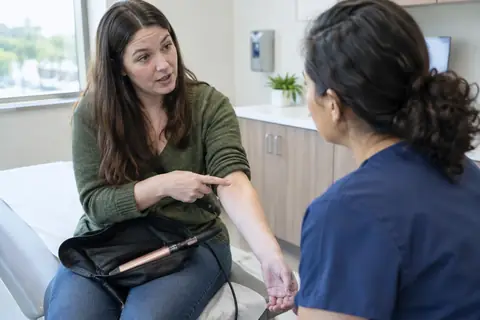
Urgent Care Center of Westmont in Westmont, IL cleans, dresses and rechecks minor burns for children and adults seven days a week.
Types of burns and common symptoms
First-degree (superficial): affects only the outer layer of skin. It causes redness, pain and swelling.
Second-degree (partial-thickness): affects the outer and lower layers. It causes pain, redness, swelling and blisters.
Third-degree (full-thickness): affects deep layers. Skin may look white or blackened and may feel numb.
MedlinePlus describes a minor burn as a first-degree burn anywhere on the body, or a second-degree burn less than 2 to 3 inches wide. Burns larger than that, and all third-degree burns, are major burns.
First aid at home
Hold the burn under cool running water. The NHS advises 20 minutes, ideally within 3 hours of the injury
Remove rings, watches and clothing near the burn, unless stuck to the skin
Cover it loosely with a clean, non-stick dressing or cling film
Do not use ice, butter, oil or home remedies
Do not pop blisters
How we treat minor burns at our Westmont, IL clinic
The provider will look at the size, depth and location of the burn and ask how it happened. Then they will decide whether it can be cared for here or needs a specialist or emergency department.
Gentle cleaning of the burned area
A dressing to protect the skin while it heals
Advice on pain relief and keeping the area clean
A check of your tetanus vaccine status, when appropriate
Clear instructions on when to come back
Watch for signs of infection as the burn heals: more pain, spreading redness, swelling, warmth, pus or fever. If you notice any of these, return for a recheck.
Walk-ins are welcome at both of our locations: the main clinic at 29 N Cass Ave, Ste A, Westmont, IL 60559, and our second location inside Jewel-Osco at 4 E Ogden Ave, Westmont, IL 60559. Both are open Monday to Friday, 9 AM to 6 PM, and Saturday and Sunday, 9 AM to 5 PM. Call (630) 324-6825, or check in online before you arrive.
We accept most major plans, including Blue Cross Blue Shield (PPO), BCBS Advocate Good Samaritan (HMO), Cigna, Humana, UnitedHealthcare, Medicare, Meridian and CountyCare. Coverage varies, so please call to confirm your plan. Read more on our cost and insurance page.
No insurance? Self-pay patients get flat, upfront pricing, with a general visit from $125. Ask about the price of any tests before they are done. See self-pay urgent care pricing.
What happens at your burn visit
Read moreClose
Tell us how it happenedHot liquid, steam, a stove, an iron, a curling iron or a chemical. If a chemical was involved, bring the product label.
Burn checkA clinician looks at the size, depth and location of the burn and checks any blisters and the skin around it.
Cleaning and dressingThe burn is gently cleaned and covered with a dressing that protects it while it heals.
Pain relief and tetanusWe review pain relief options and check whether your tetanus shot is up to date.
Home care planYou leave with dressing-change steps and a plan for a recheck if one is needed.
Walk in, or check in online before you leave home. Our burns guide explains first aid in more detail.
How minor burns heal
Read moreClose
A general guide; your clinician will tell you what to expect for your burn
Burn type
How it looks
What healing looks like
First-degree
Red, painful, dry skin with no blisters
Pain eases over a few days, and the skin may peel as it heals
Small second-degree
Blisters, redness, swelling and moist skin
New pink skin forms under the blister; healing often takes a few weeks
Any healing burn
Itchy, pink or darker new skin
Keep it moisturized and covered from the sun
Caring for a burn at home
Read moreClose
Wash your hands before you touch the burn or change a dressing.
Clean the area gently with mild soap and water, then pat it dry.
Use the ointment and dressing your clinician recommends, and change it as directed or if it gets wet or dirty.
Expect itching as the burn heals. Try not to scratch.
Once the skin has closed, cover it with clothing or sunscreen, because new skin burns easily.
Take pain relievers as directed on the label or by your clinician.
MedlinePlus notes that damaged skin can become infected. Come back if pain, redness or swelling gets worse instead of better.
Preventing burns at home
Read moreClose
Turn pot and pan handles toward the back of the stove.
Keep hot coffee, tea and soup away from table edges and out of children's reach.
Many safety groups recommend setting your water heater to 120°F or lower.
Test bath water with your wrist or elbow before a child gets in.
Stir and test microwaved food and drinks, which can heat unevenly.
Let curling irons and hair straighteners cool where children cannot reach them.
No. MedlinePlus and the NHS both advise against ice. Use cool running water instead, then cover the burn with a clean dressing.
Should I pop a burn blister?
No. Leave blisters alone. They help protect the skin underneath. If a blister breaks, keep the area clean and covered.
How do I know if my burn is minor?
A first-degree burn anywhere, or a second-degree burn smaller than 2 to 3 inches, is usually minor. Deep burns, larger burns and burns on the face, hands, feet or groin need emergency care.
Do I need a tetanus shot for a burn?
Possibly. Burns can break the skin. Your provider can check when you last had a tetanus shot and whether you need one.
Should I put aloe vera on a burn?
For a small first-degree burn, many people use aloe vera gel or a plain moisturizer after cooling the burn to soothe the skin. Avoid butter, oil, toothpaste and other home remedies. For blisters or a deeper burn, use the ointment and dressing your clinician recommends.
Should I cover a burn or let it breathe?
Cover it. A clean, non-stick dressing protects the skin, keeps it moist and lowers the chance of infection. Change the dressing as directed, or sooner if it gets wet or dirty.
How long should a minor burn hurt?
Pain from a minor burn is usually worst in the first day or two and then eases. Pain that gets worse instead of better, or new redness and swelling, can be a sign of infection and should be checked.
Can urgent care treat a bad sunburn?
Yes. A painful or blistering sunburn can be checked here. Cool showers, extra fluids and a fragrance-free moisturizer help at home. Come in if blisters cover a large area or you feel unwell.